Monday 23 March
30 Years in the Tower: George Candelin, Keeper of the Swifts at Oxford University Museum of Natural History (OUMNH)
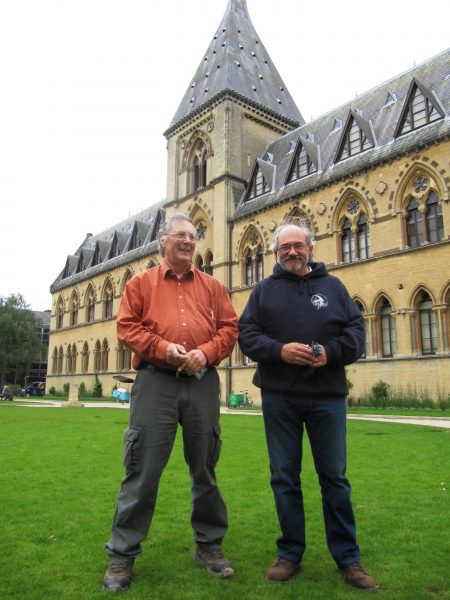
George Candelin spoke on 30 years of recording swifts in the tower at the Oxford University Museum of Natural History. The Oxford University Museum of Natural History building is famous for both the collections and the Huxley–Wilberforce evolution debate of 1860. The Museum Tower also hosts a long-established colony of European Swifts (Apus apus), birds known for spending nearly their entire lives in flight—feeding, sleeping, and even mating on the wing. The swifts’ hidden nest boxes at the top of the tower can be viewed via webcams streaming from May to September. Research on this colony began in 1947 by Elizabeth and David Lack, making it one of the world’s longest continuous studies of a single bird species. Their findings were published in Swifts in a Tower (1956), later reissued in 2018. Despite this legacy, the UK swift population has declined by 42% since 1994, likely due to loss of nesting sites and food. The RSPB’s Oxford Swift City project, launched in 2017, works to raise awareness and support swift conservation in Oxford. George Candelin, Keeper of the Swifts, revealed the fascinating history of the project and some of the things discovered about these extraordinary birds in the last 78 years.
Biography: Endowed with the title ‘Keeper of the Swifts’, George has been monitoring the 167 nesting boxes in the tower of the University Museum weekly, over the breeding season, for 28 years. A ringer for 30 years, he has ringed over 1,000 swifts using rings supplied by the EGI (Edward Grey Institute for Field Ornithology) part of the Zoology Department of Oxford University. George’s Ornithological interests range from surveys to behaviours. He spent 4 years in France helping with a migration study of Aquatic Warblers which breed in Eastern Europe but migrate along the Atlantic coast of France and Iberia. George’s own projects include monitoring a sand martin colony and a population study of house sparrows, he has also administrated a breeding study of over 250 barn owl nesting boxes in West Oxfordshire.