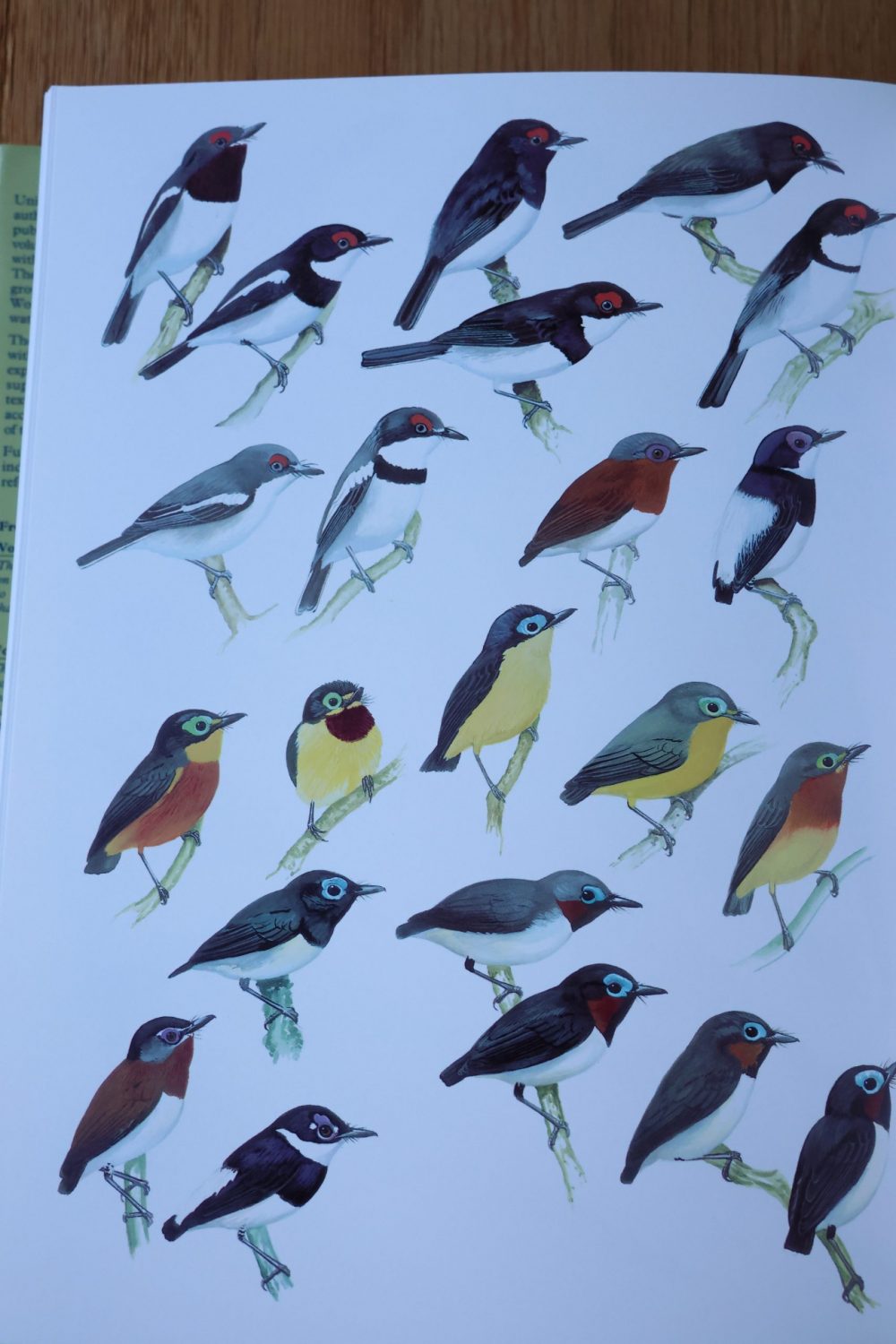
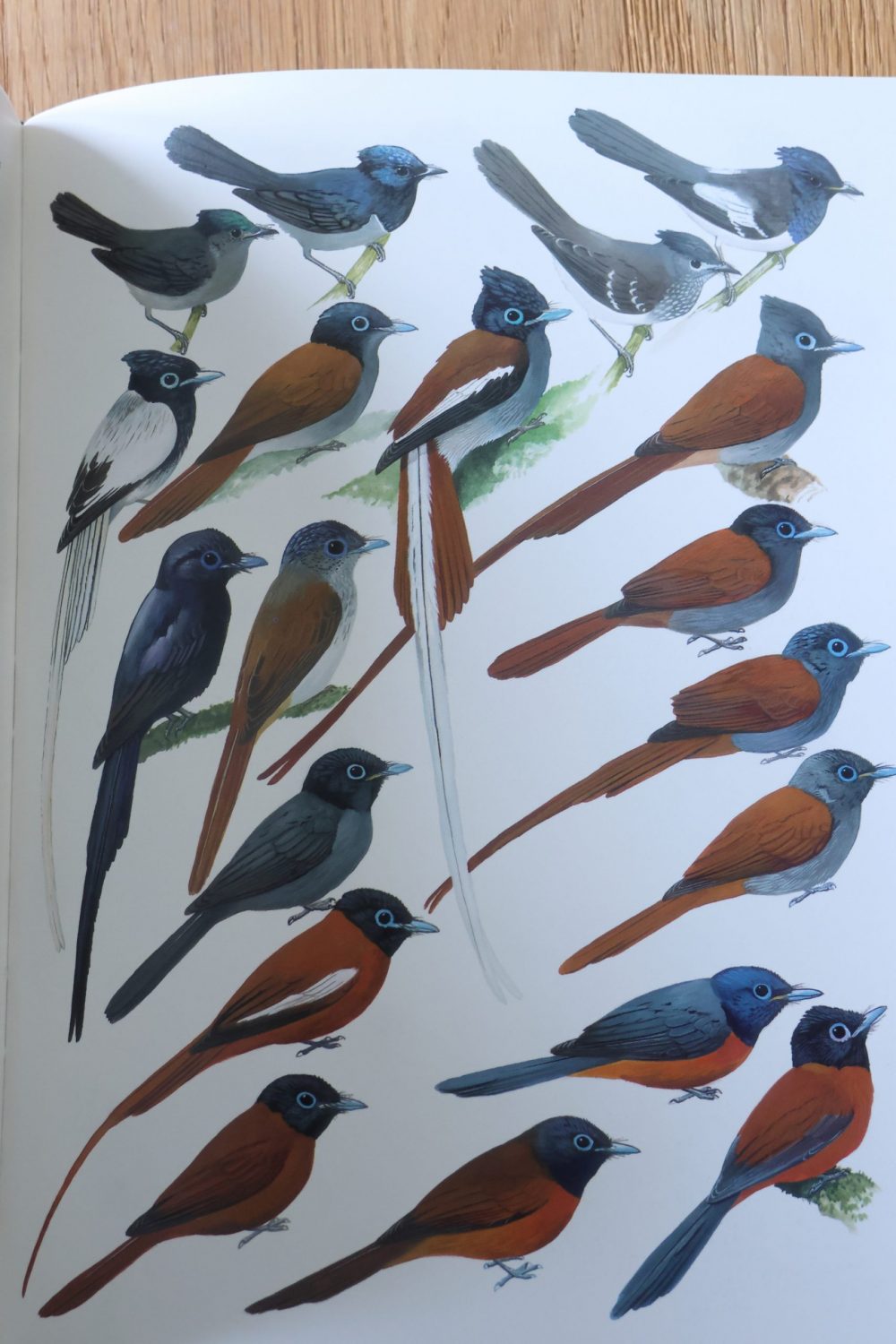
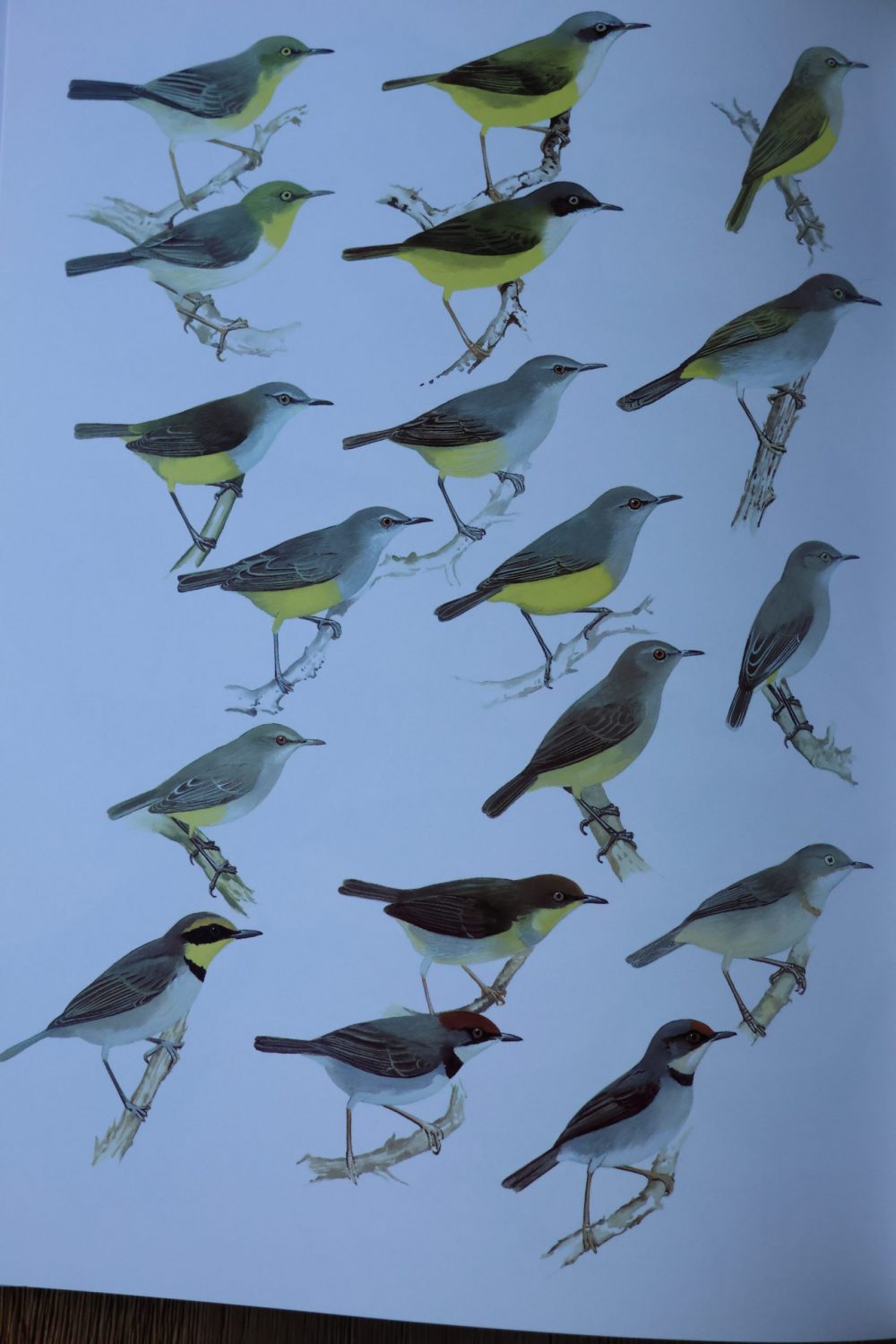
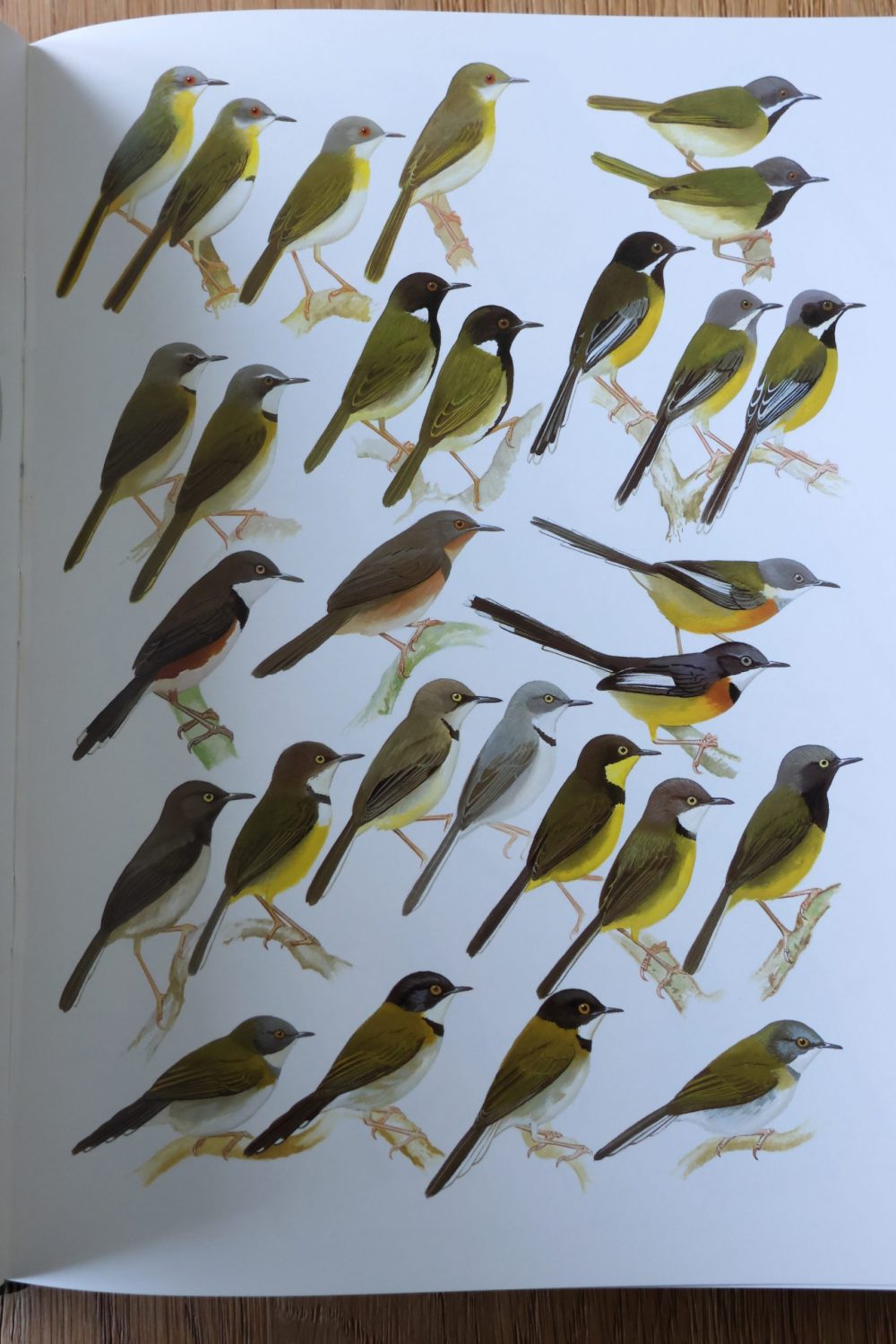
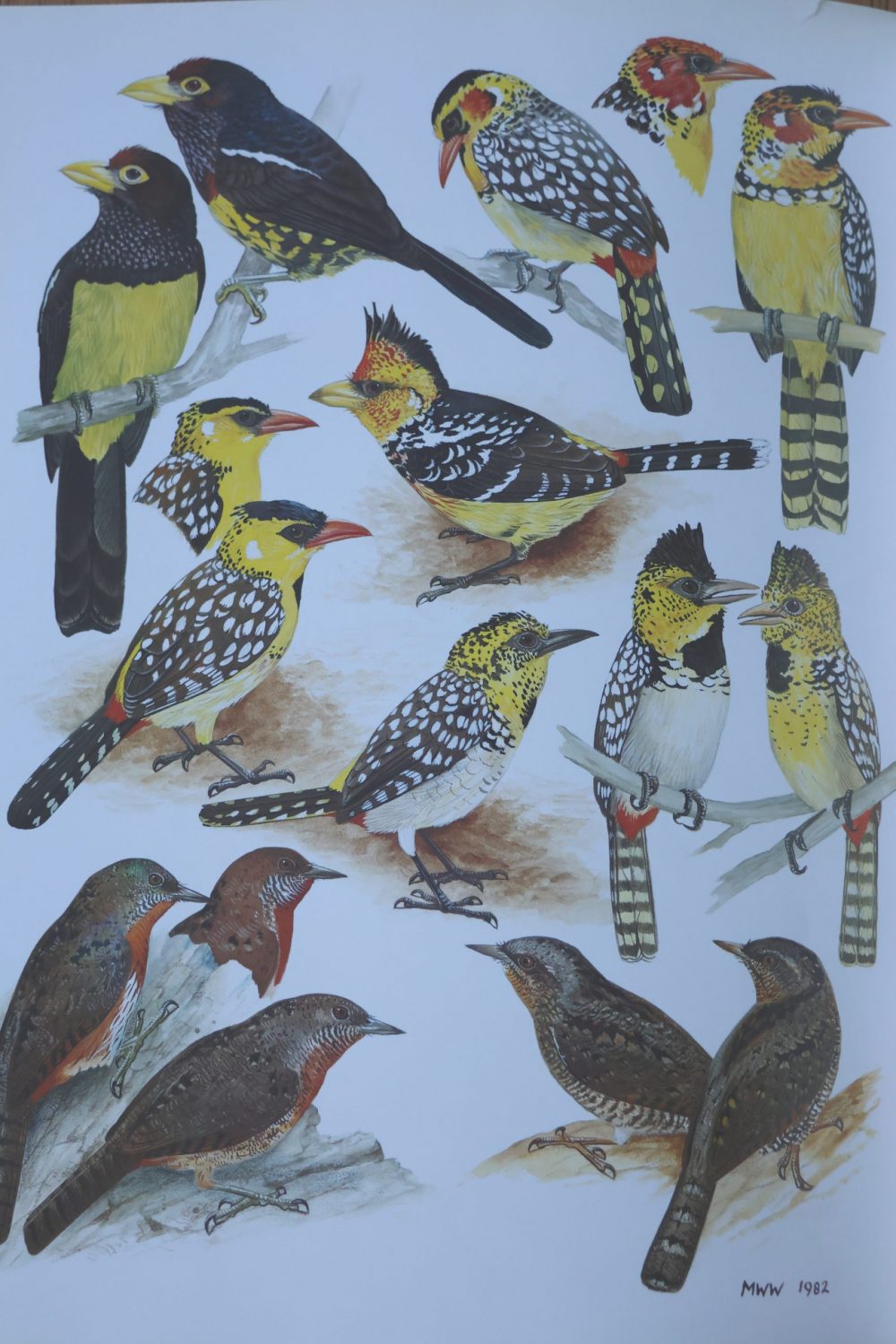
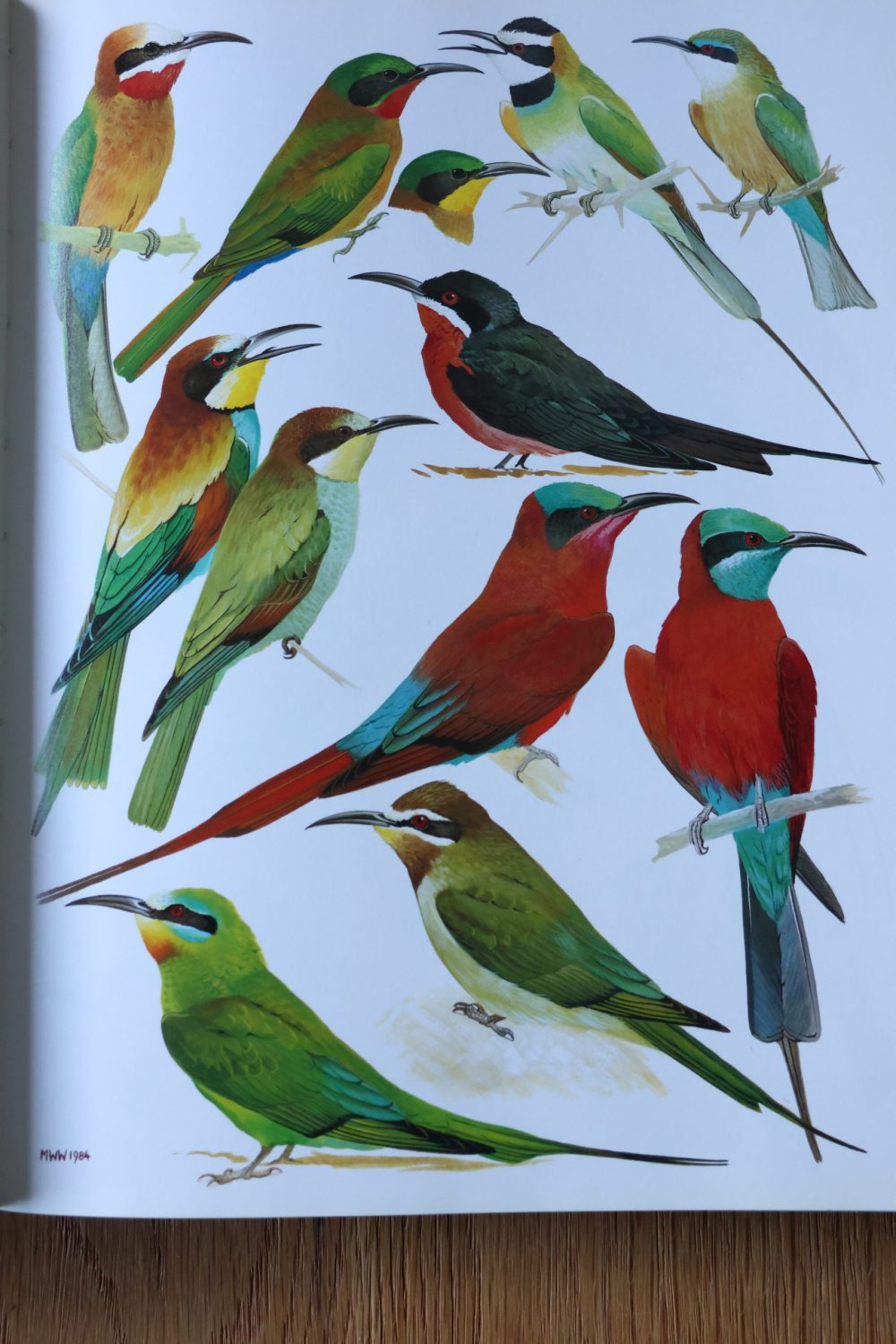
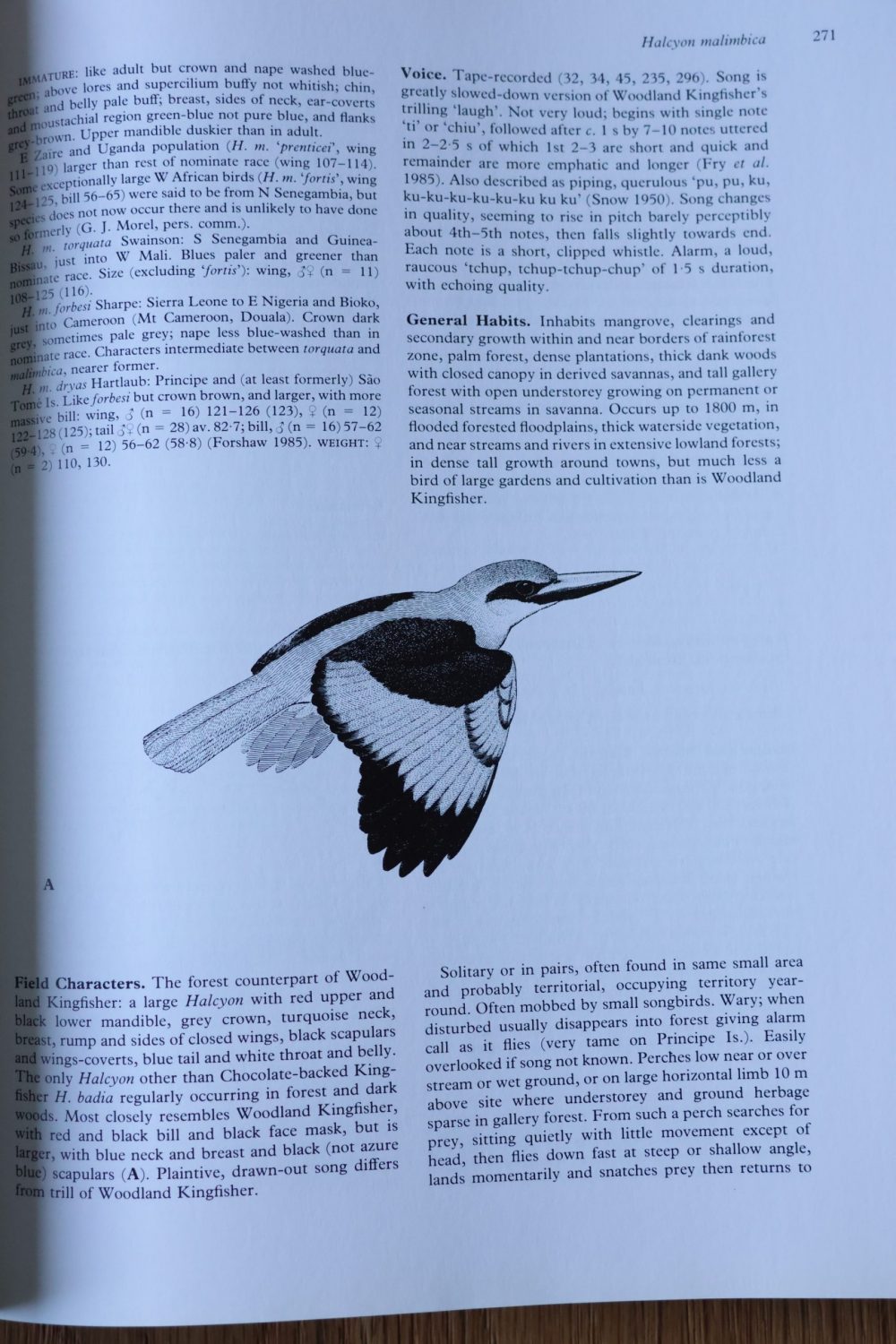
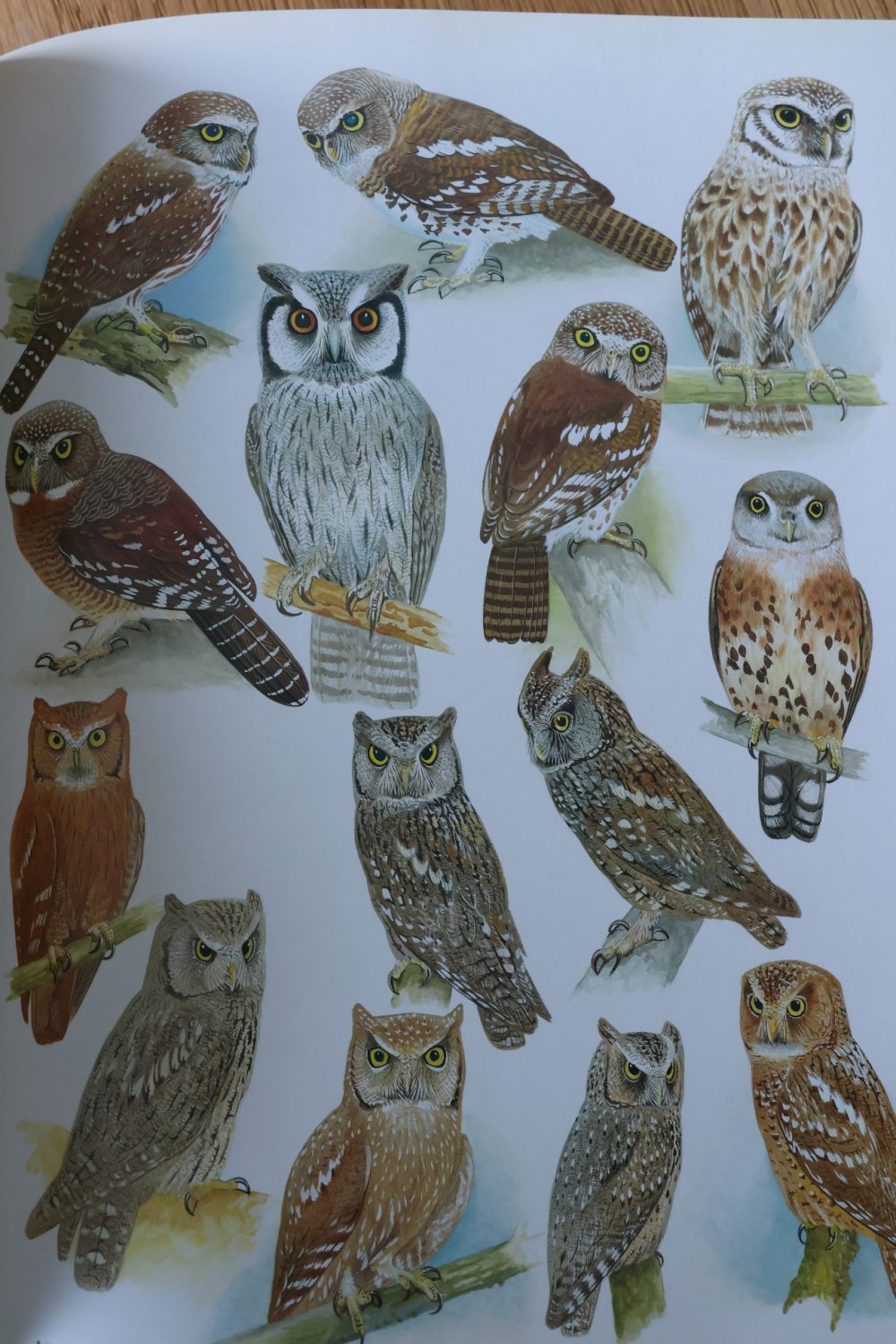
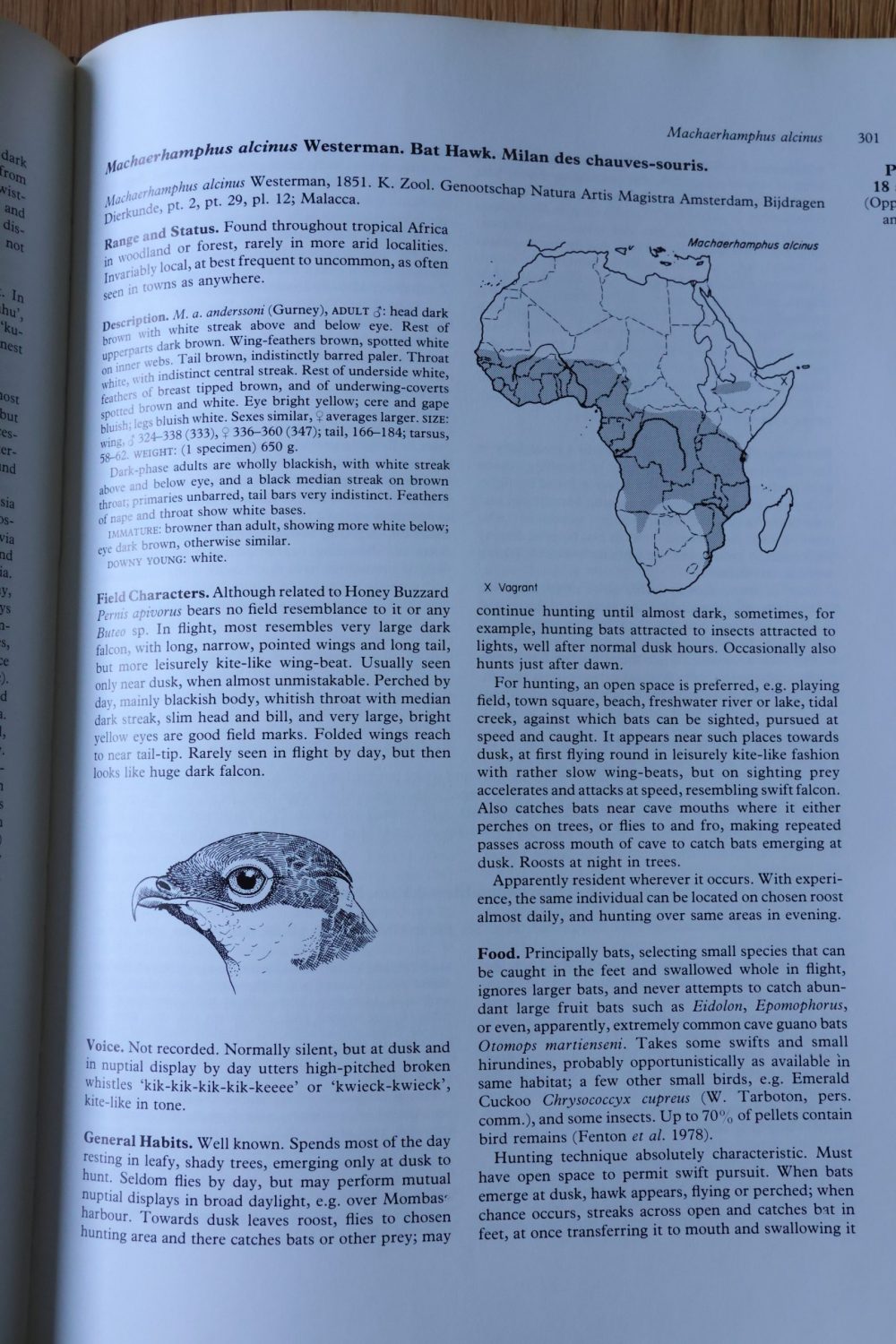
An Interview with Andrew Richford, the Commissioning Editor of the first six volumes of the Birds of Africa published by Academic Press.
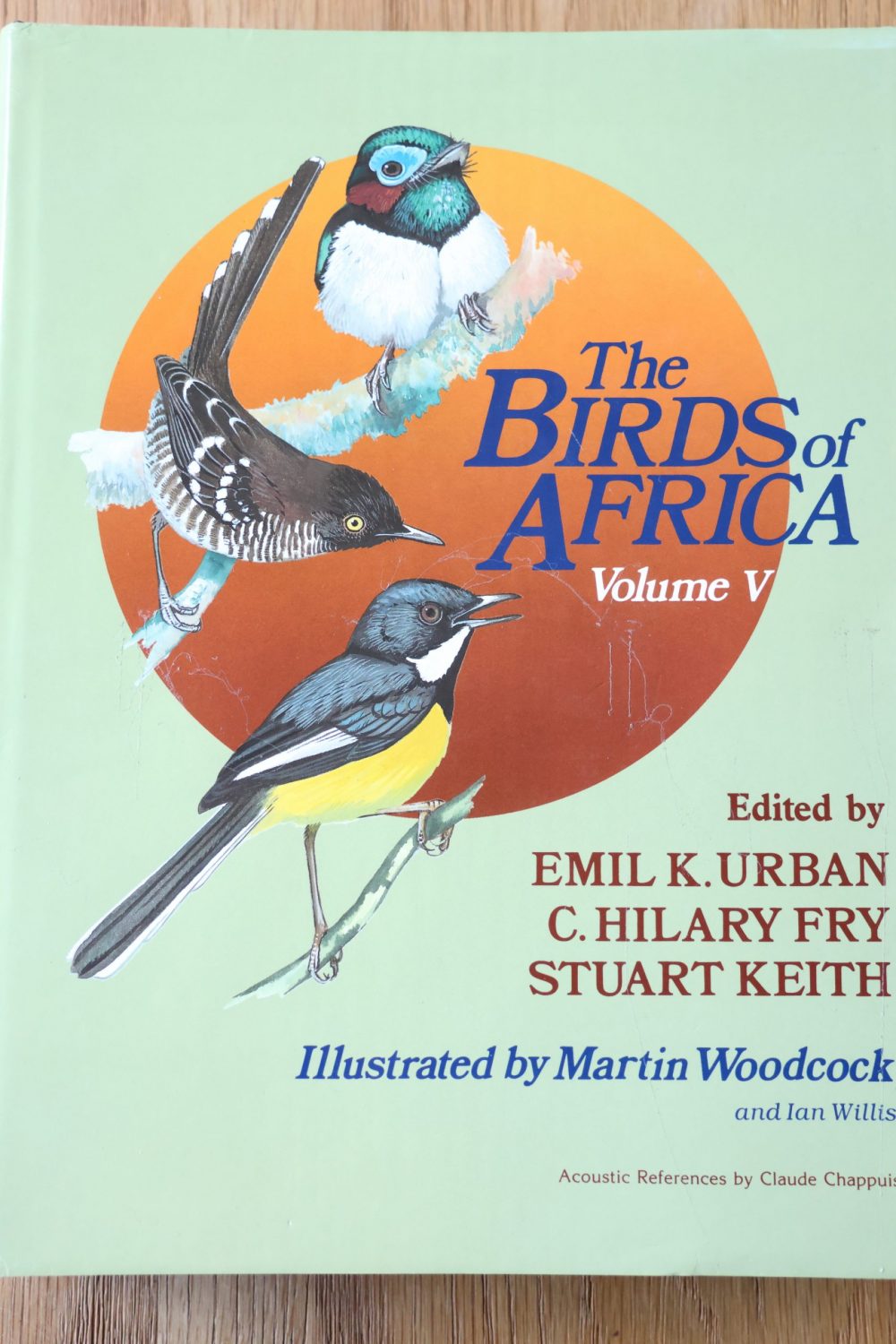
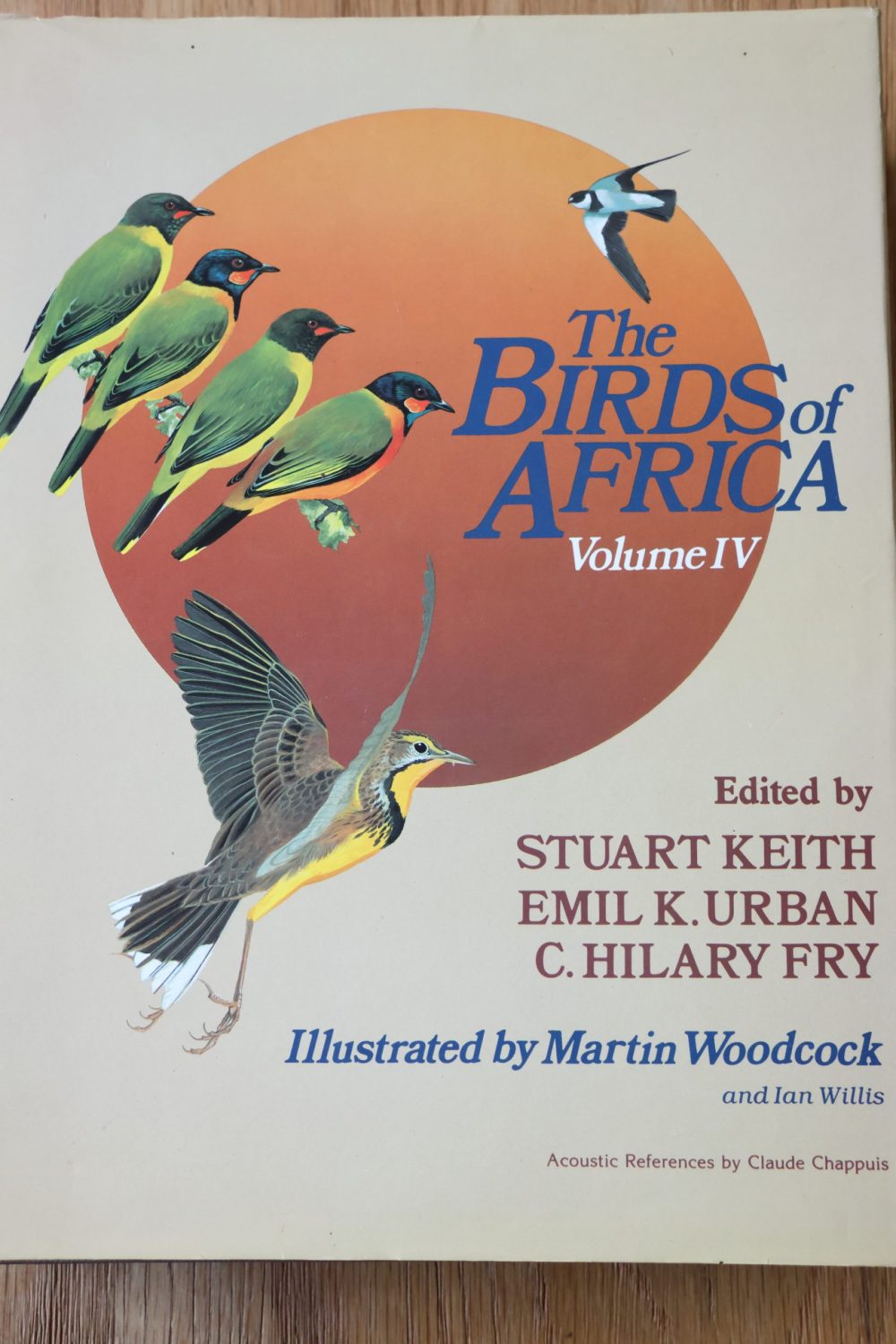
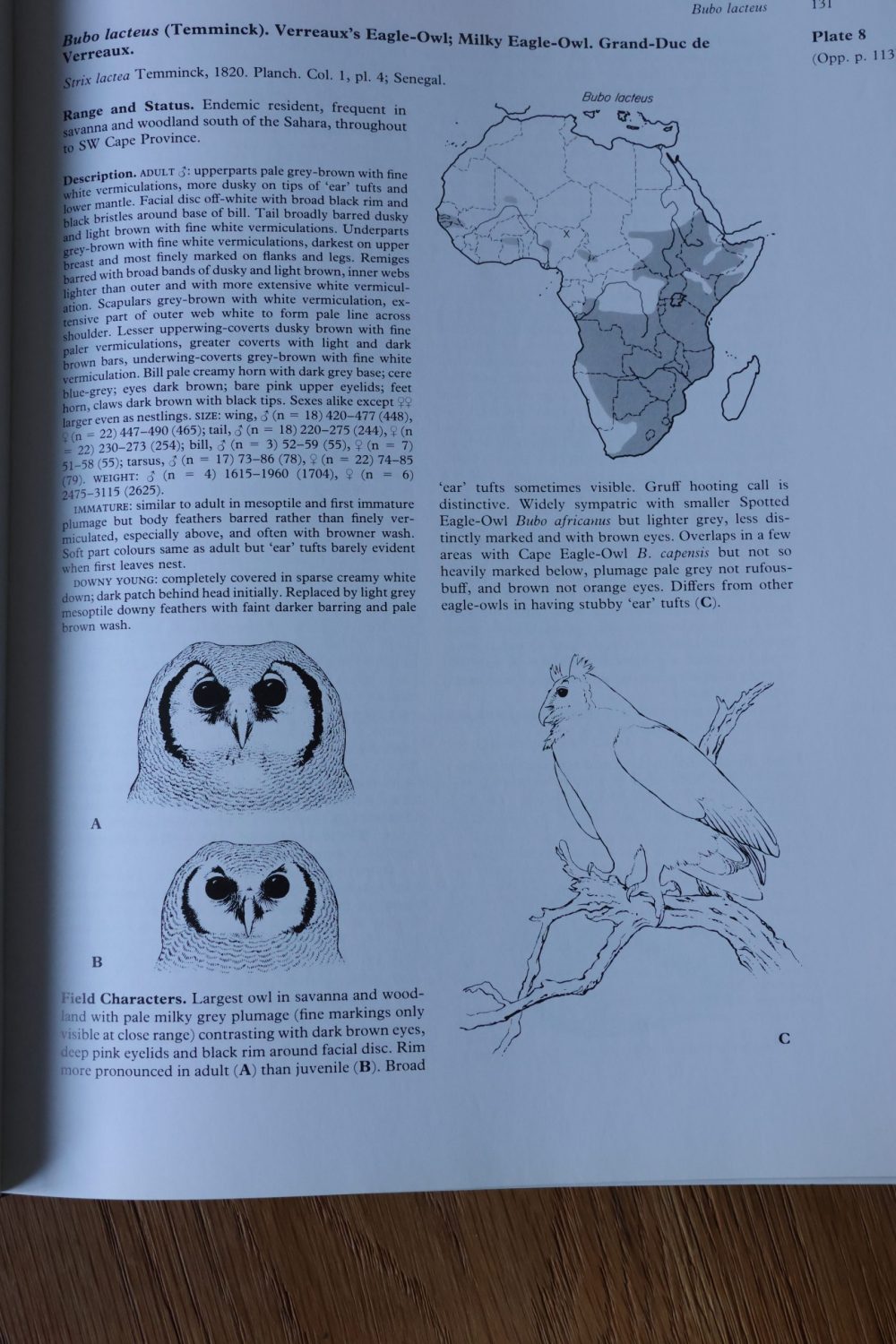
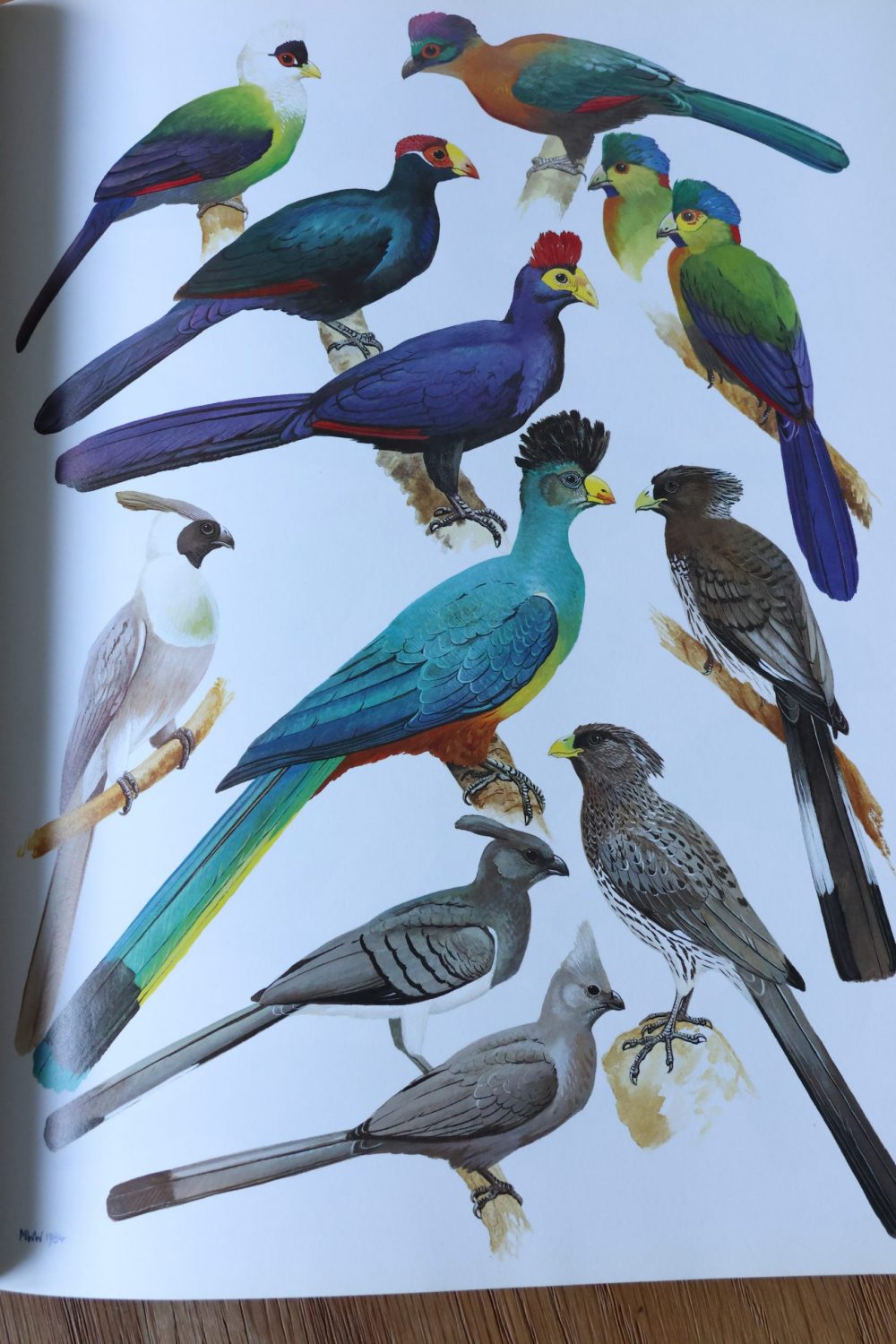
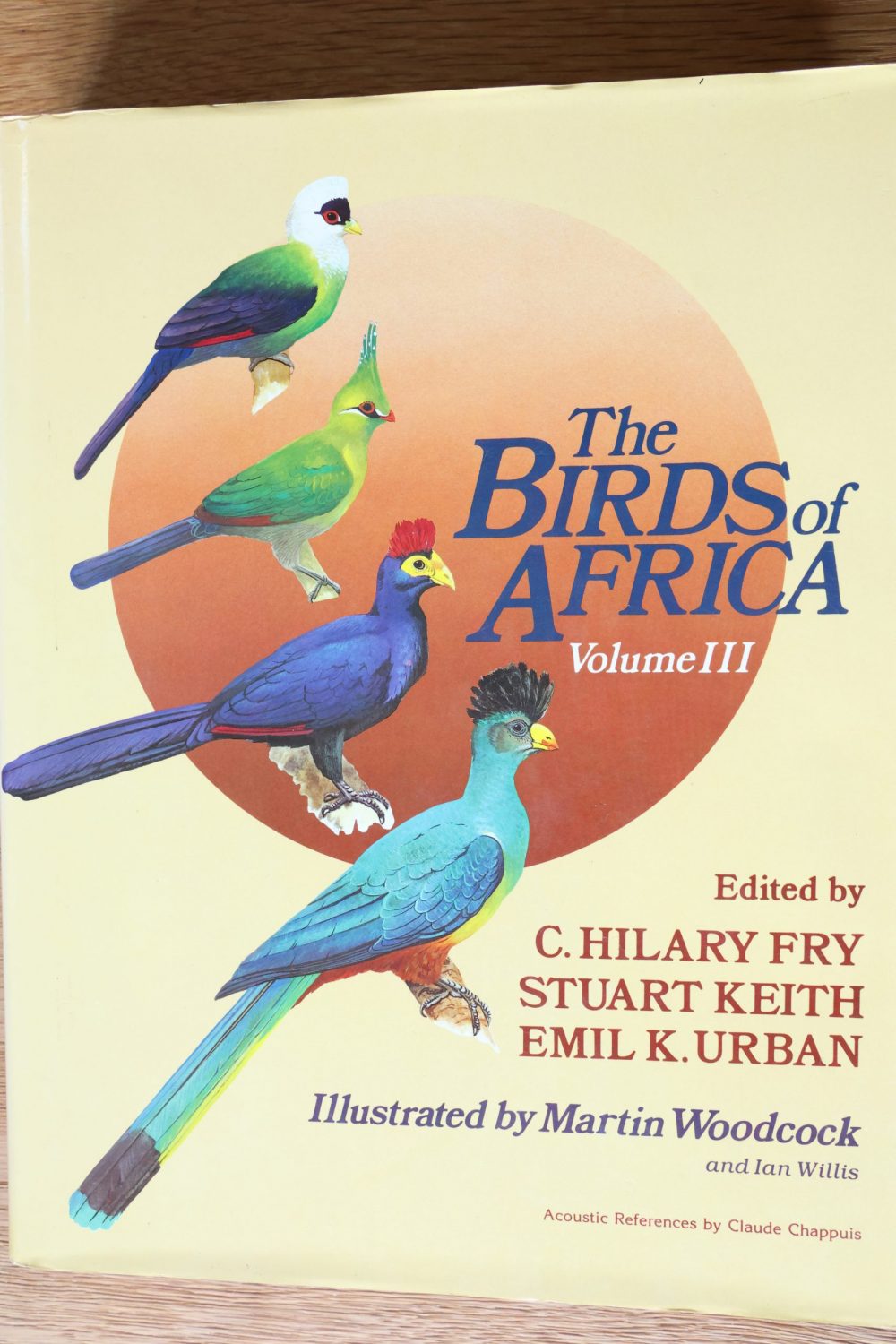
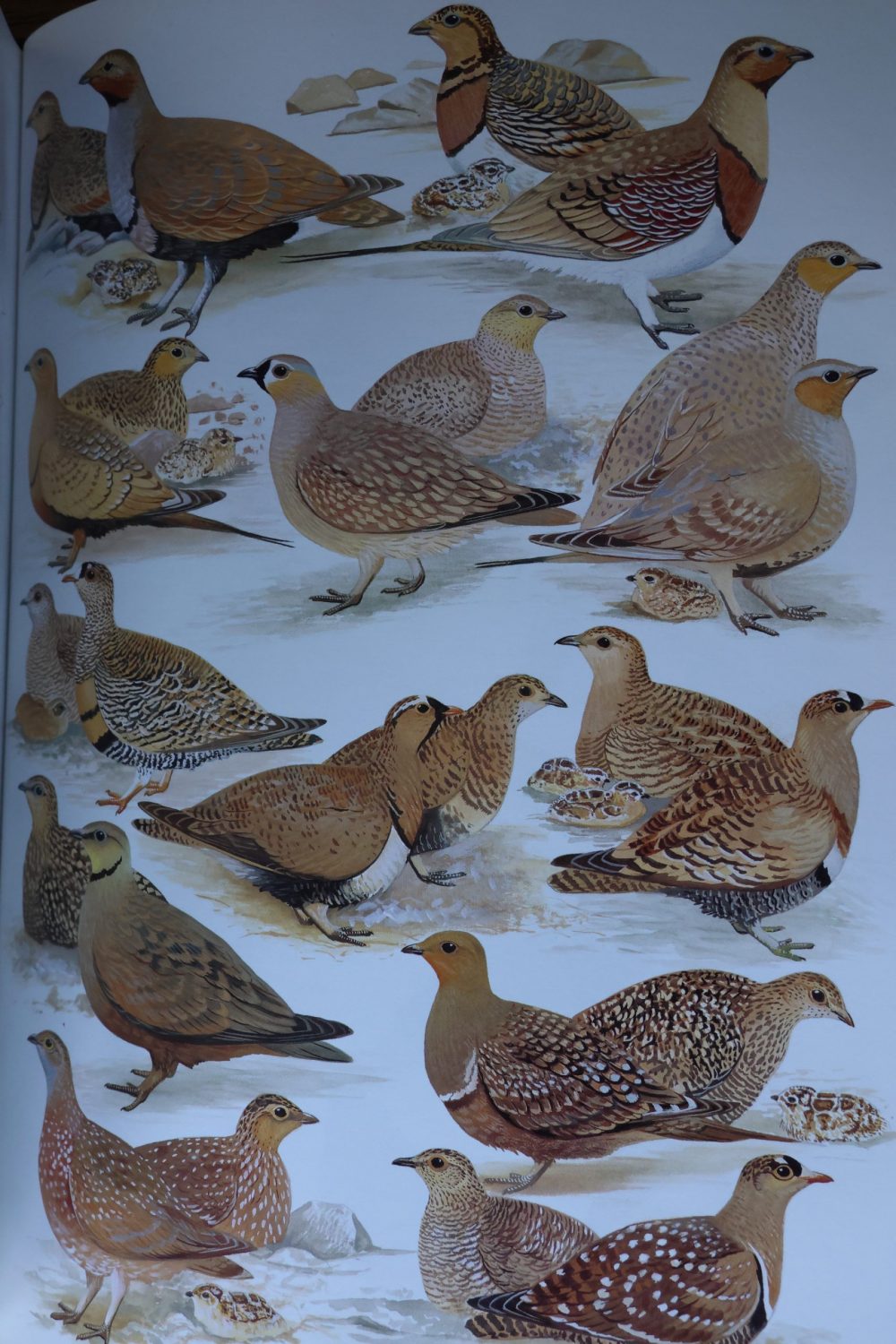
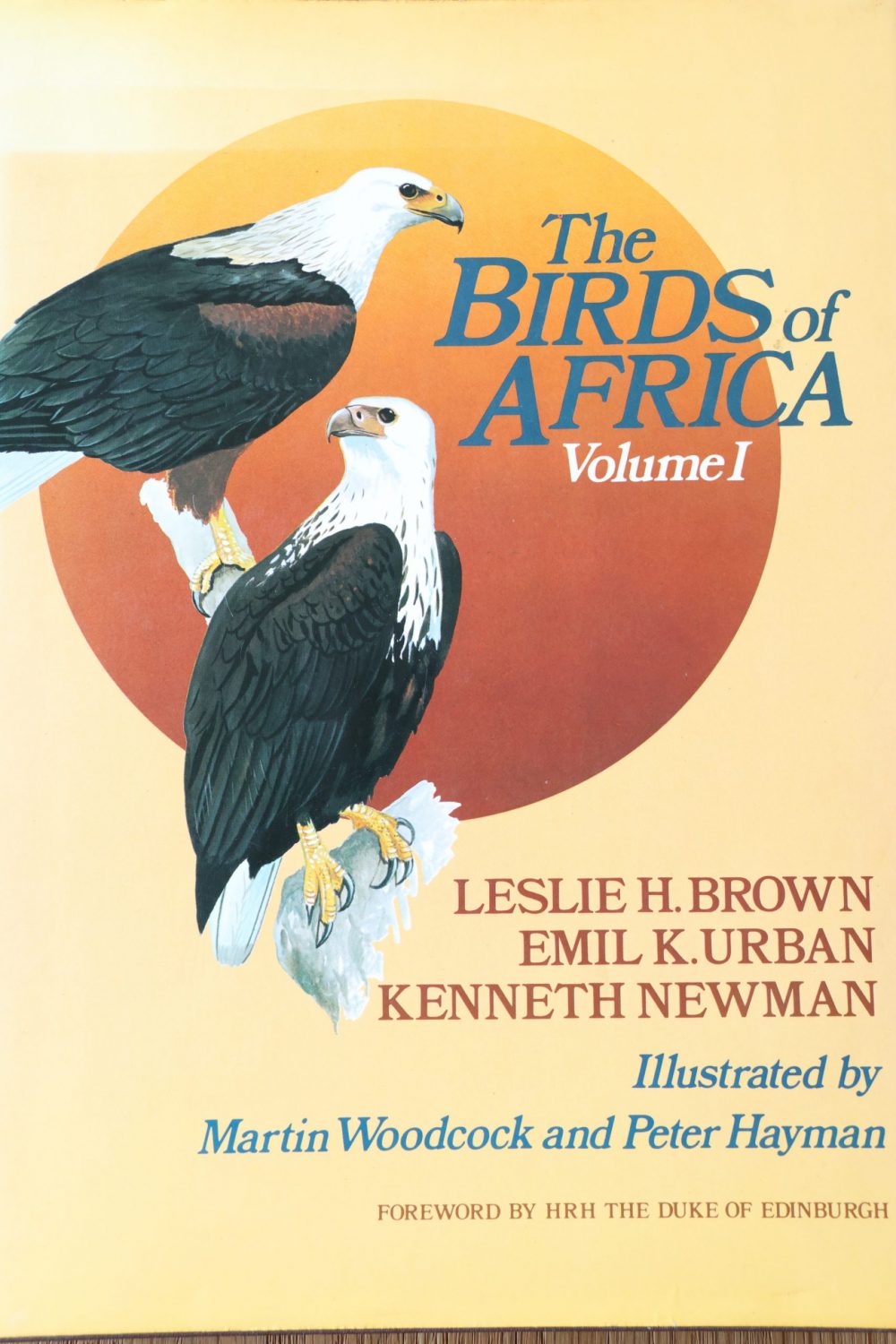
Seven volumes of The Birds of Africa were published between 1982 and 2004. Originally begun with Academic Press, volume 7 was published by Christopher Helm. The series editors were C. Hilary Fry, Stuart Keith, and Emil K. Urban. The principal artist was Martin Woodcock with key artistic contributions from others including Ian Willis. Discography was by Claude Chappuis who had published a 15 CD compilation of African Bird Sounds. Subsequently, an eighth volume was published in 2013, covering The Malagasy Region: Madagascar, Seychelles, Comoros, Mascarenes, with a paperback edition due in 2026. This interview is with reference to the first seven volumes.
The seventh volume was dedicated to Andrew S. Richford and the late Stuart Keith. The dedication to Richford read ‘Andrew Richford, Commissioning Editor, Academic Press (publishers of Vols I-VI), in overseeing The Birds of Africa for nearly two decades and in commissioning numerous other titles, Andy has contributed greatly to the advance of Ornithology in horizons much wider even than Africa’s.’
Gehan de Silva Wijeyeratne (BOC Trustee) interviews Andrew Richford to go behind the scenes of this landmark series which in its time was breathtaking in its scope and ambition.
How did the idea come about to do a series which covered every single species of bird in Africa?
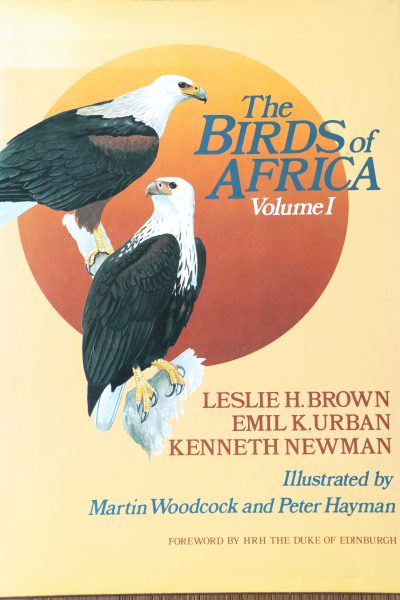
The Birds of Africa (BOA) was the brainchild of Leslie Brown, the renowned African bird specialist with a particular interest in raptors and the dream of creating an African version of Oxford University Press’s Birds of the Western Palaearctic (BWP). He put the idea to his friend, Arthur Bourne, a commissioning editor at Academic Press (AP) in about 1978. Bourne took it to AP and got the go-ahead. The plan was for Leslie, Emil Urban, and Kenneth Newman to author the books themselves. Leslie tragically died in 1980, before volume 1 was published in 1982. Bourne left AP and the series was left hanging without editorial management.
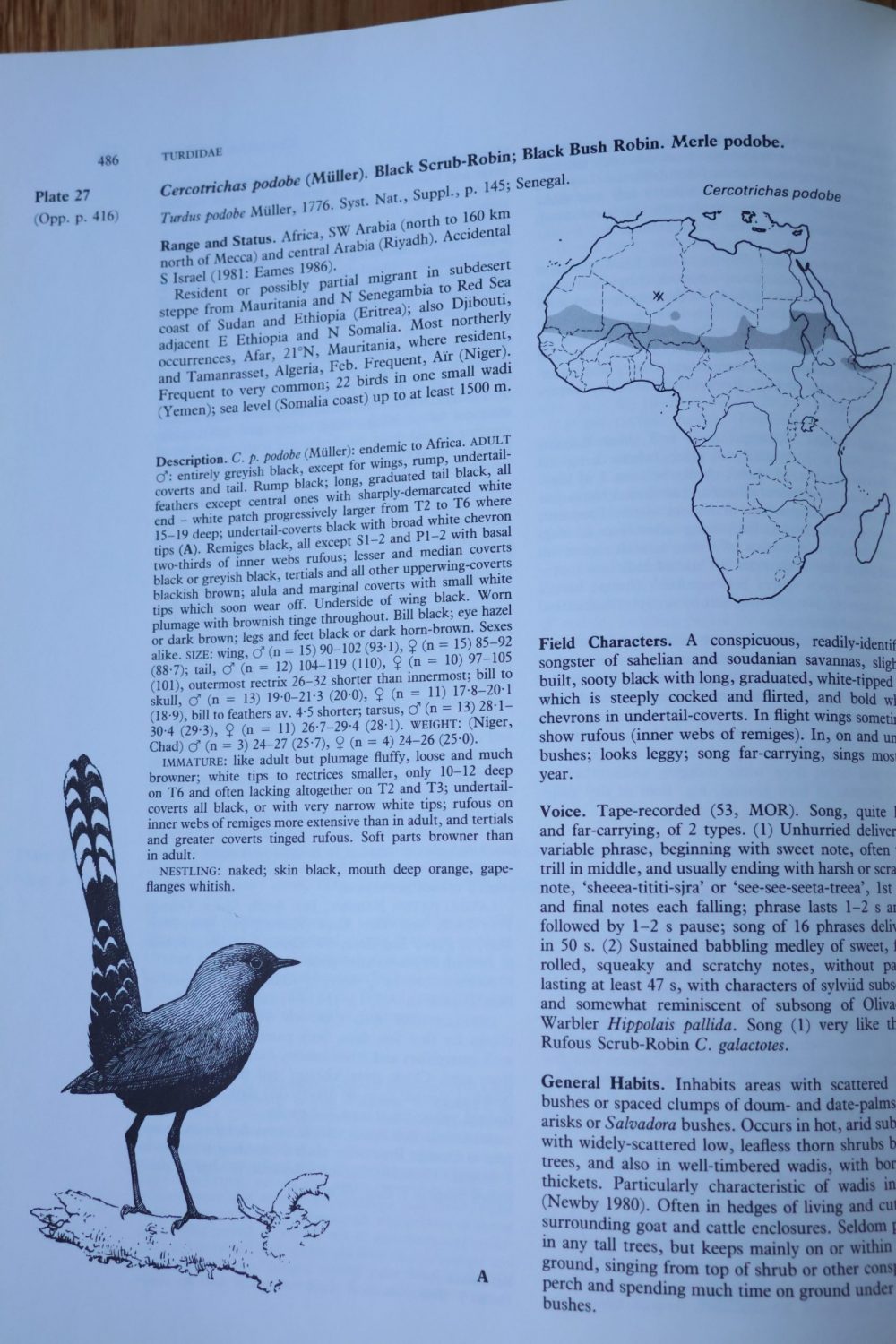
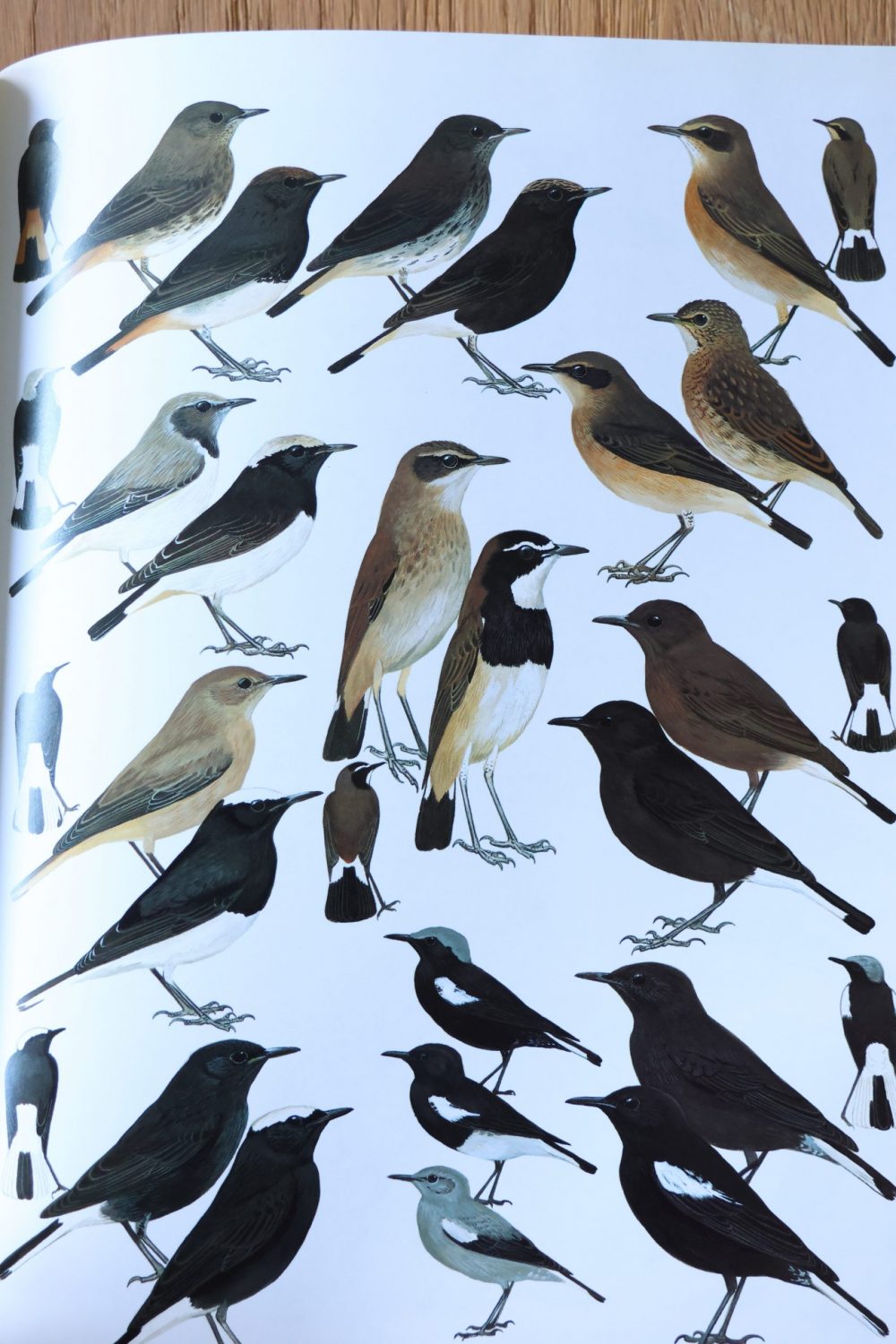
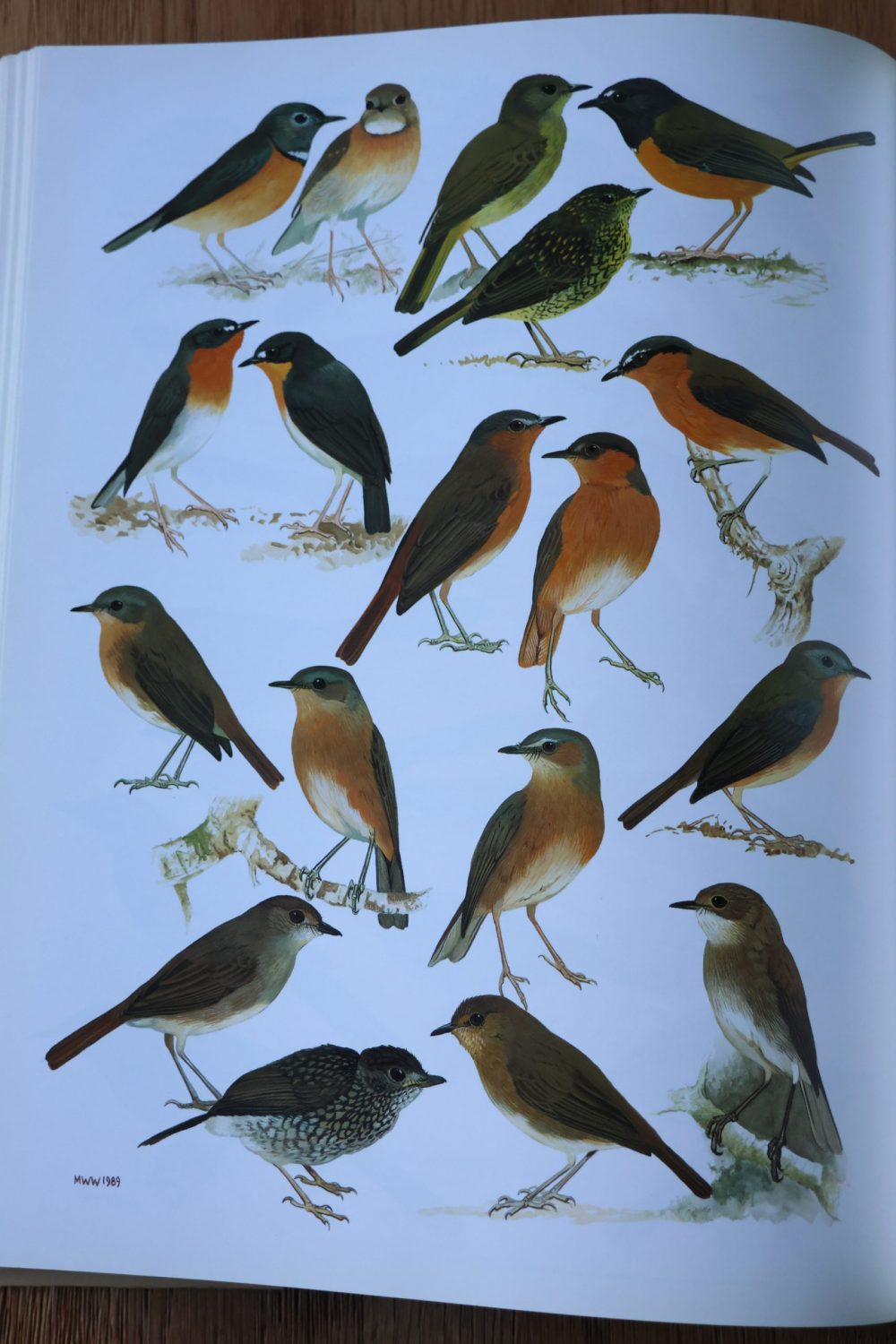
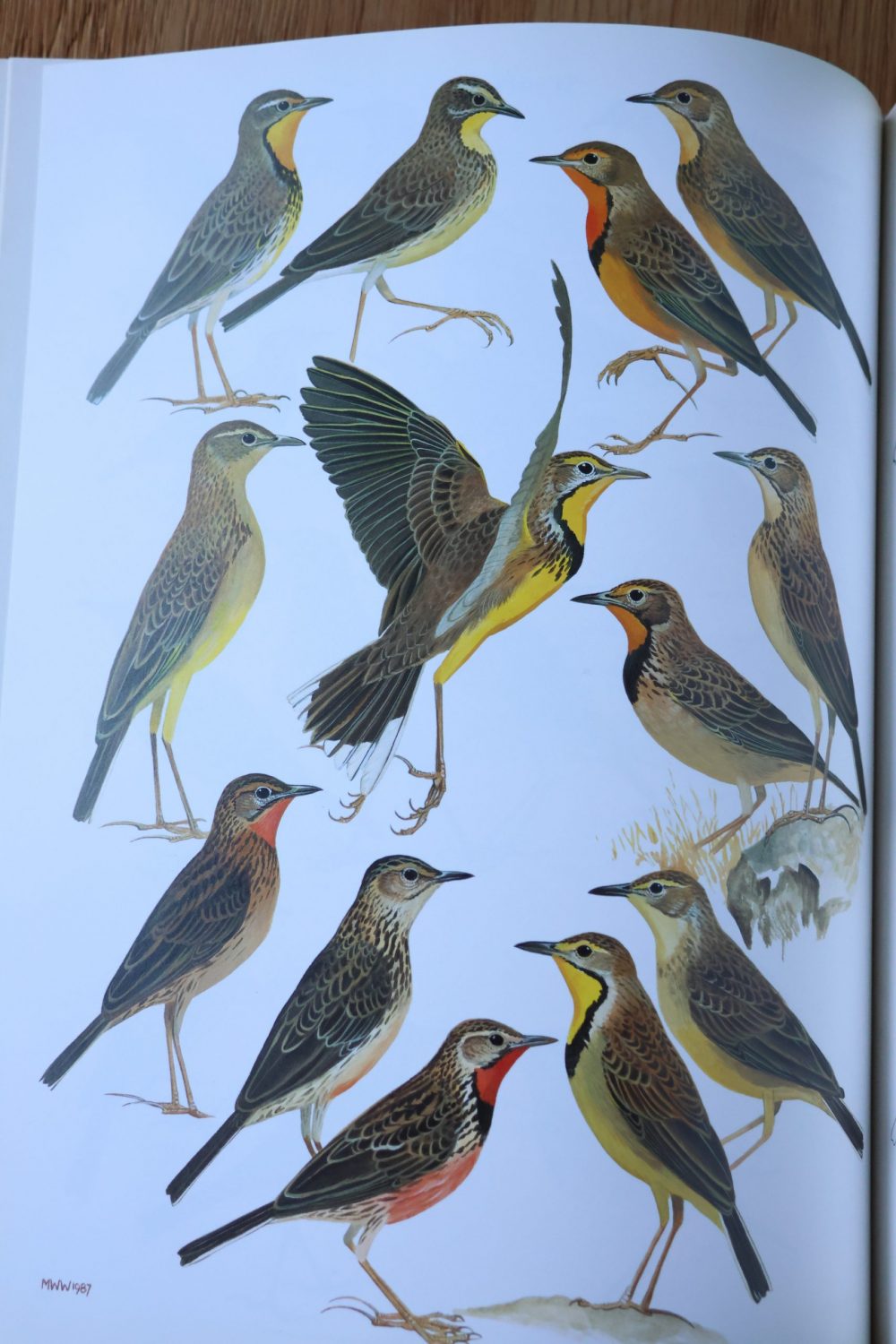
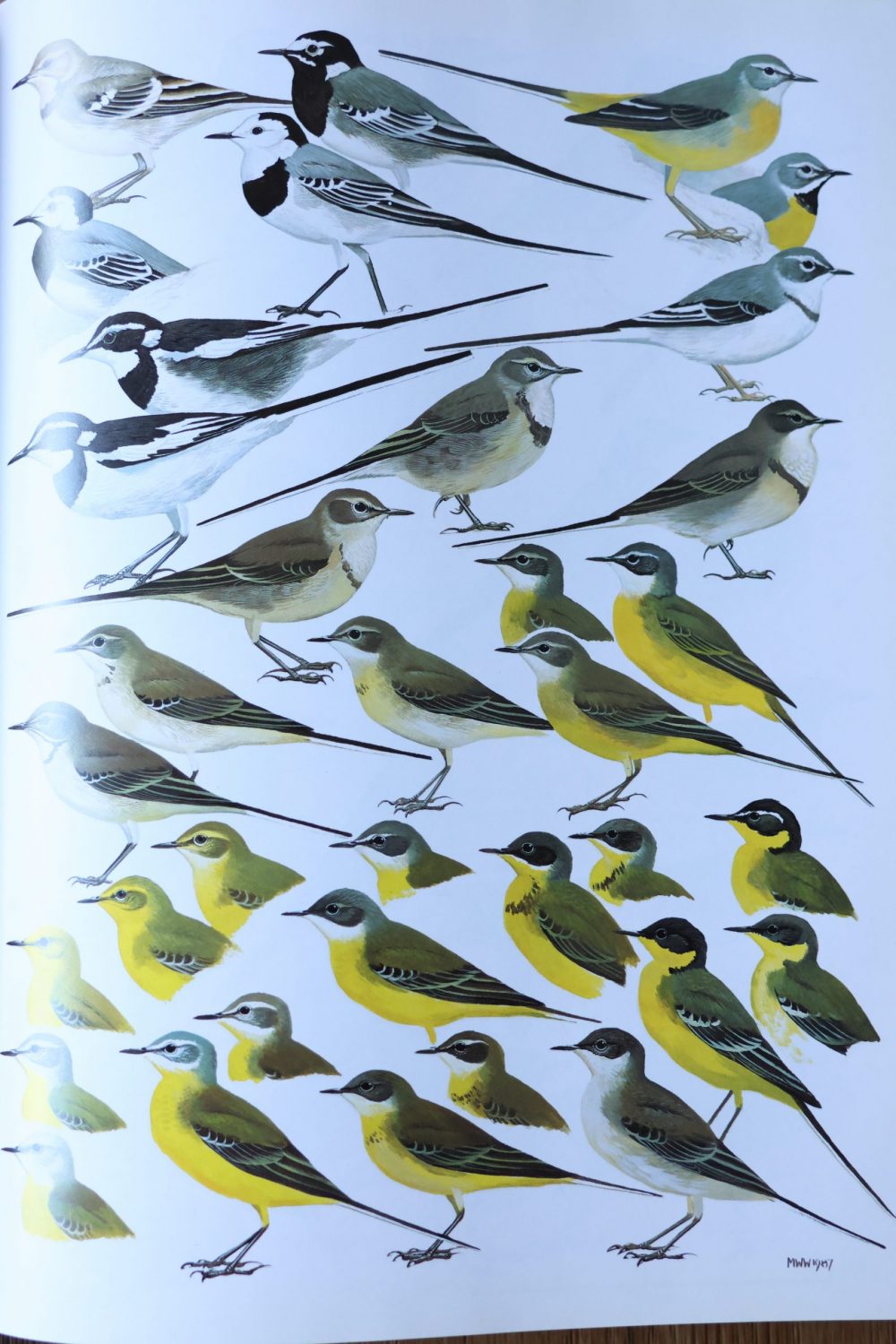
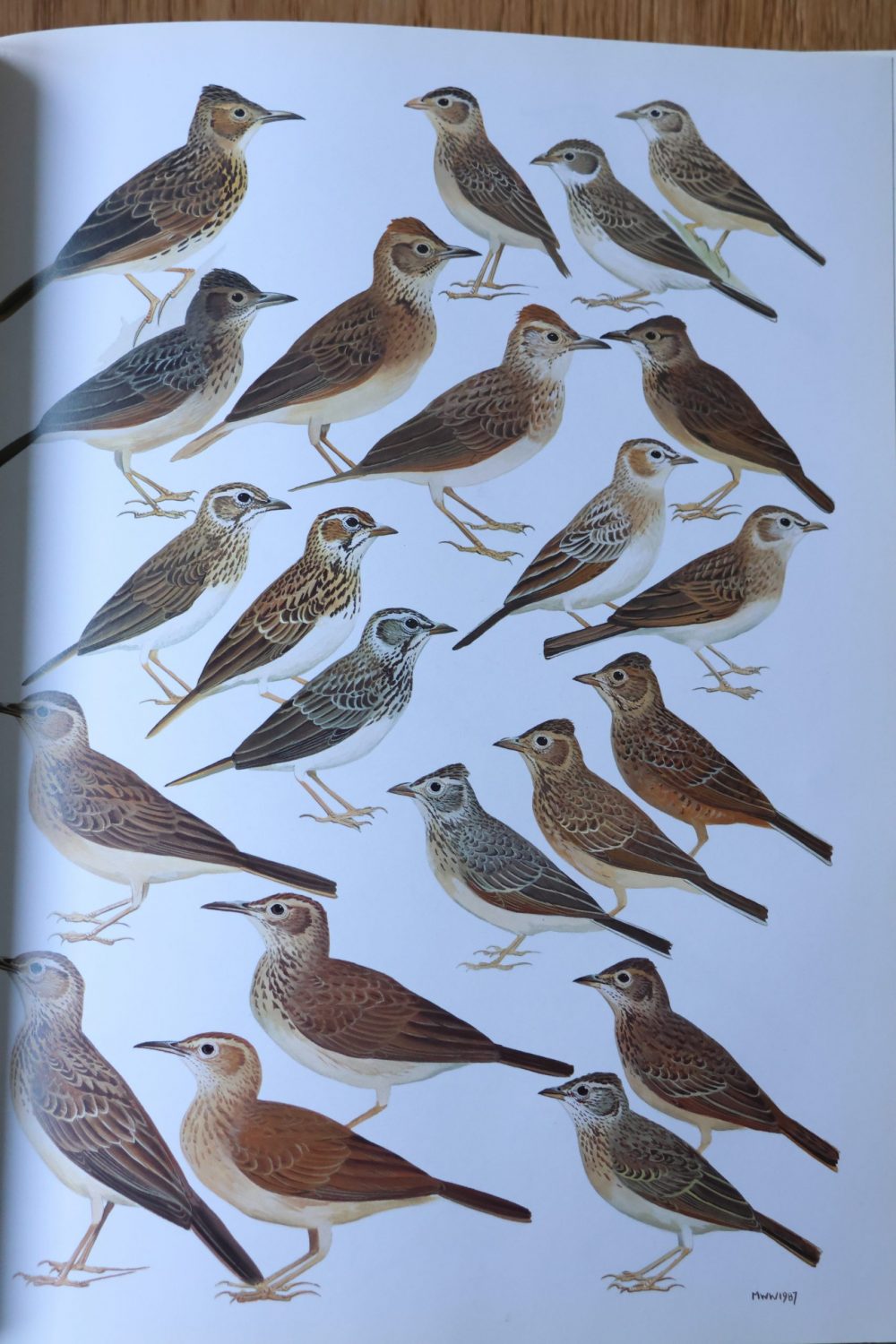
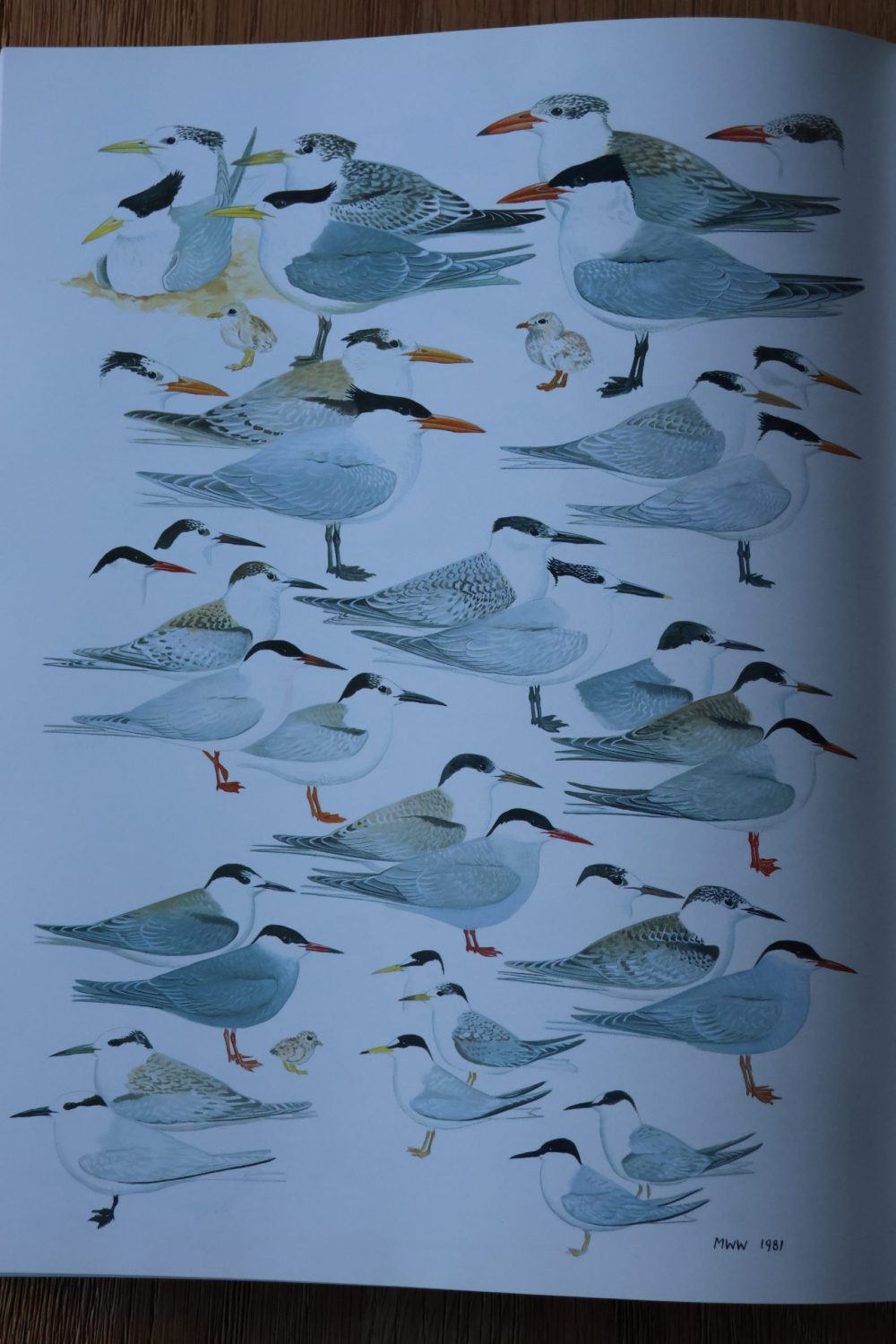
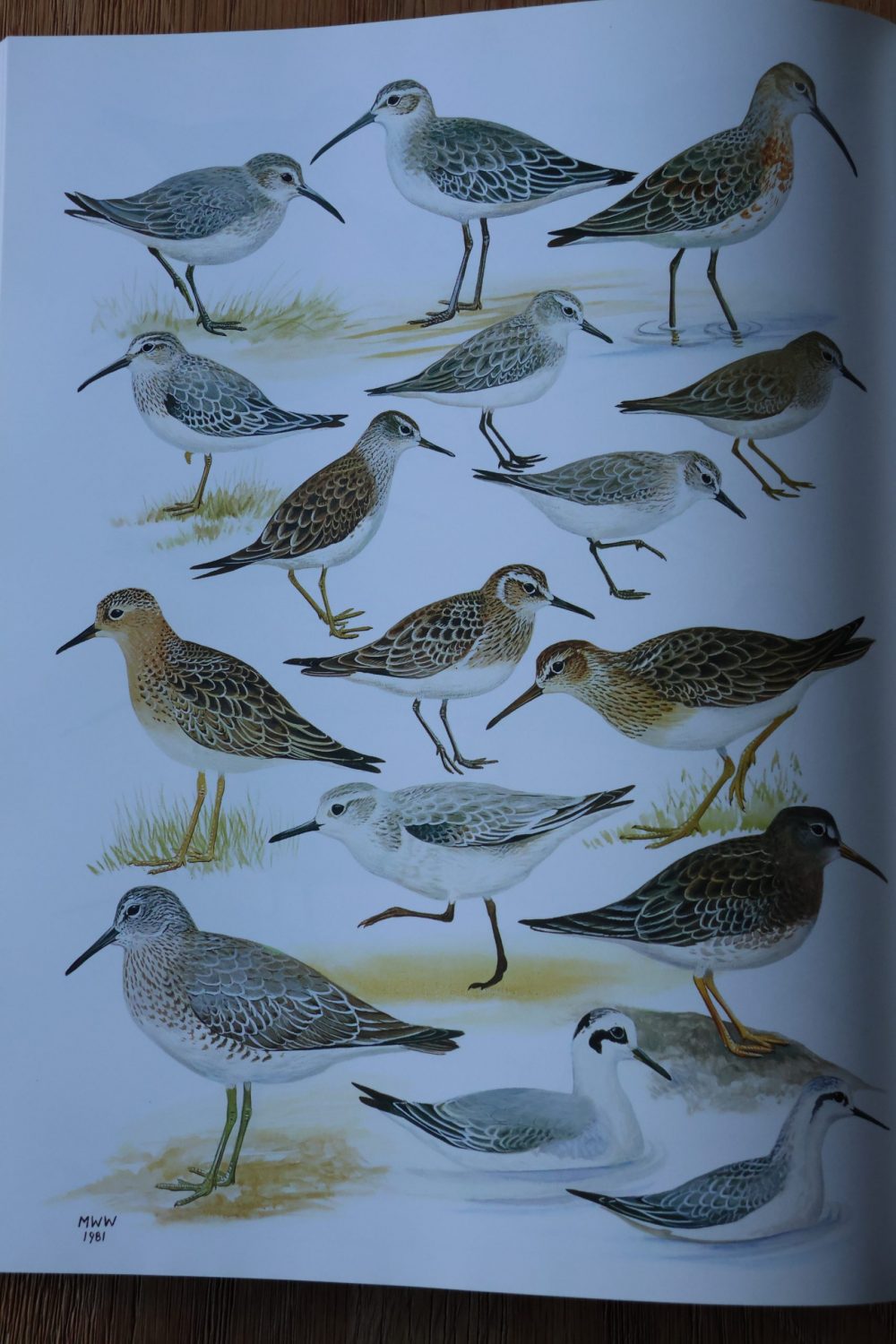
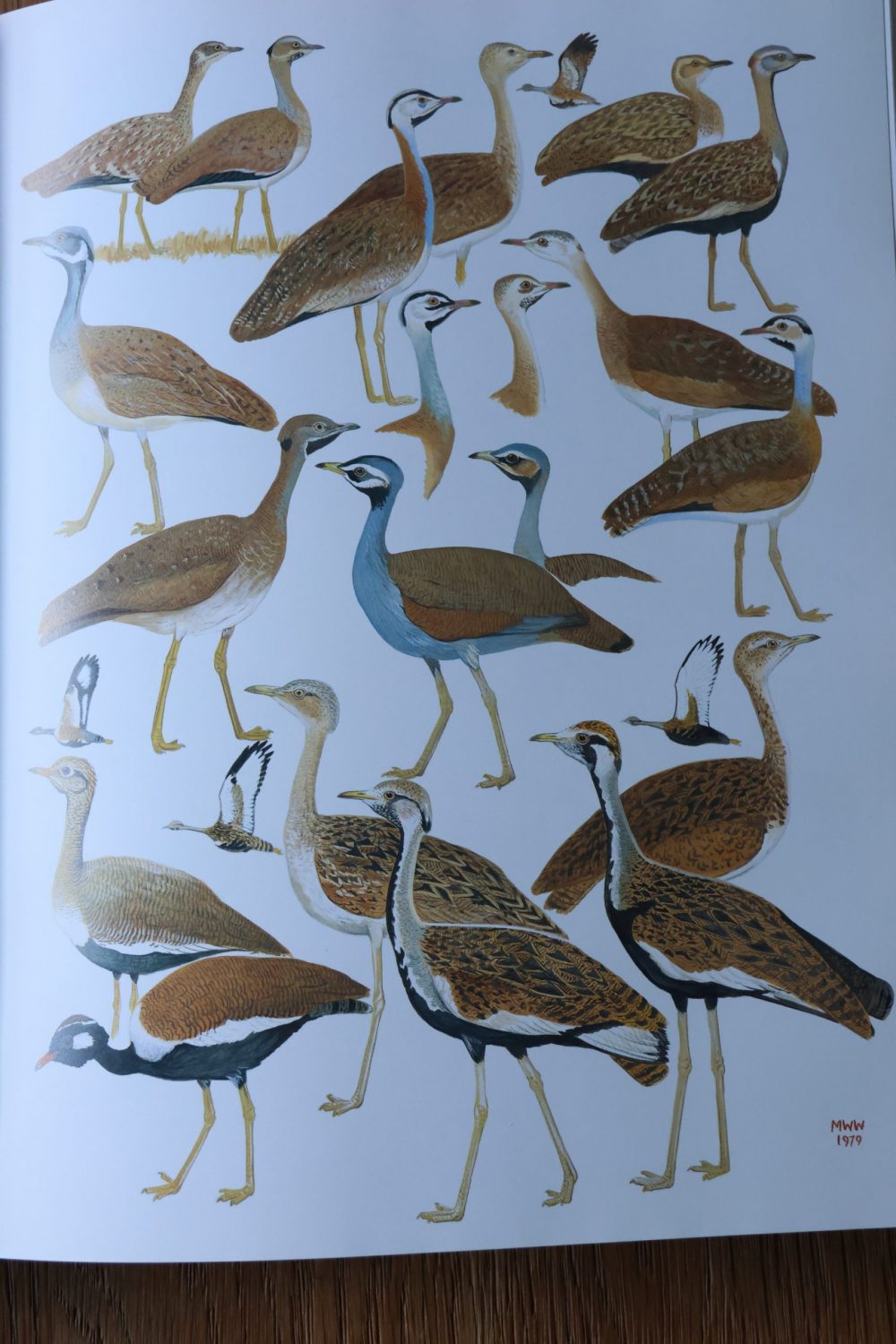
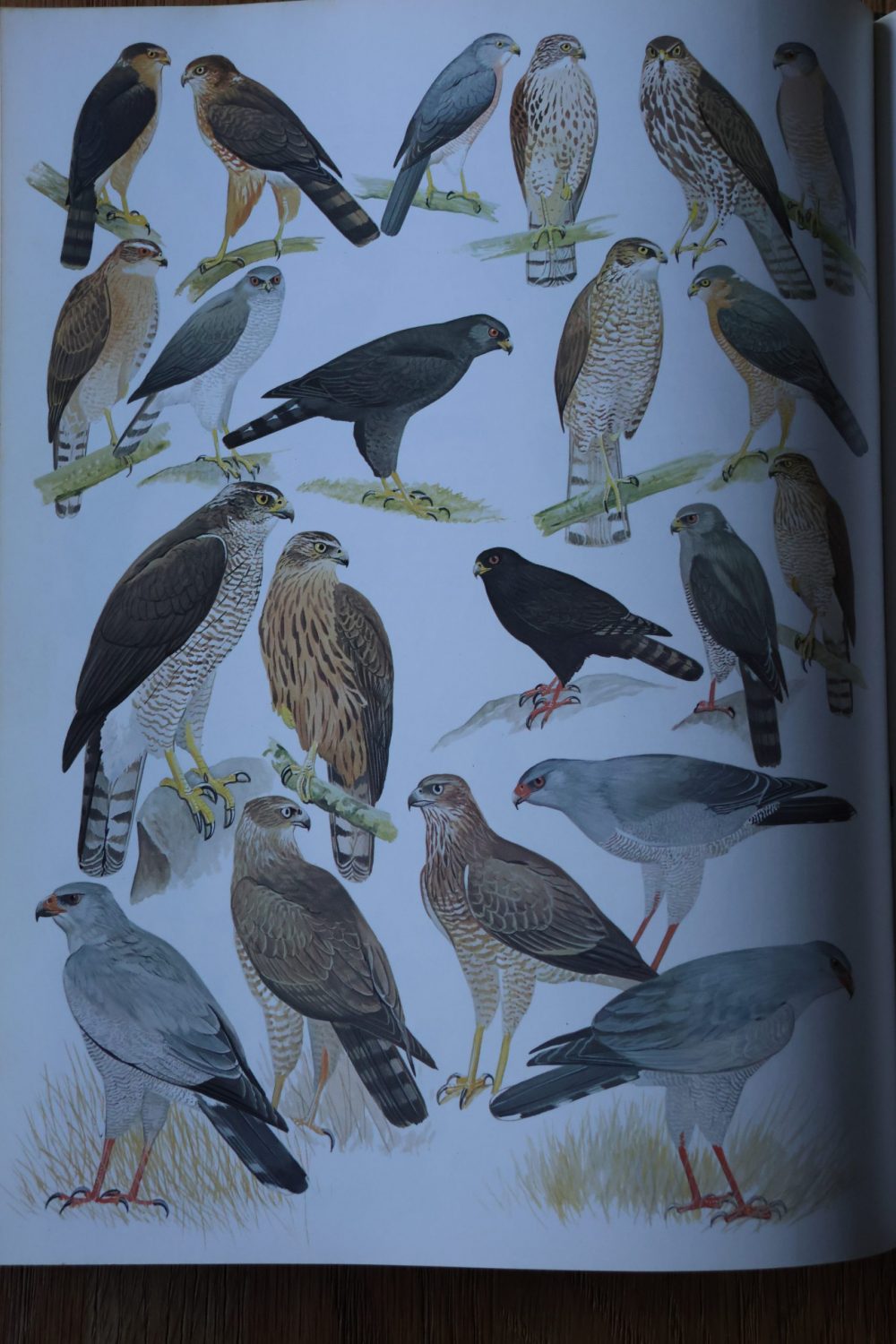
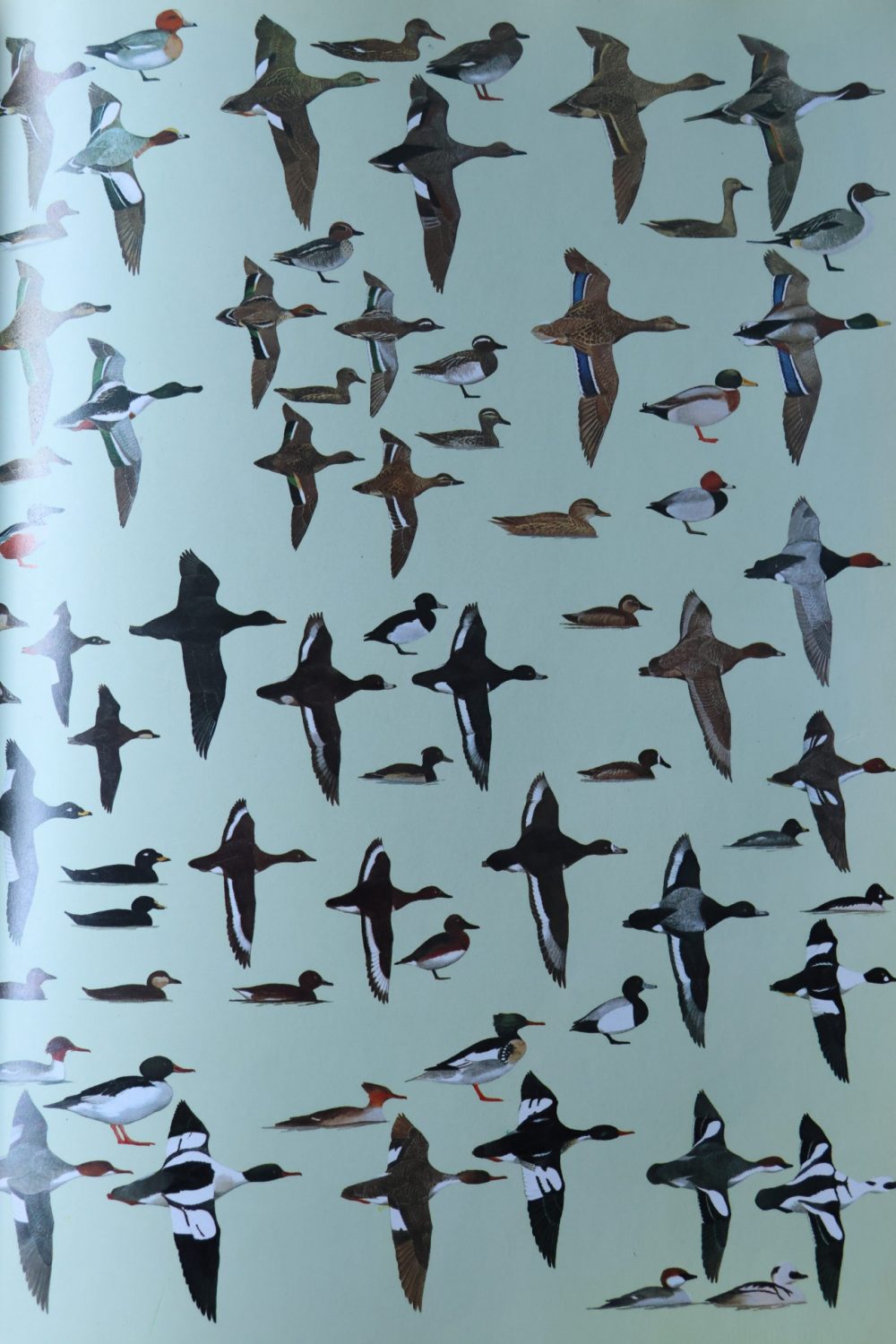
After Leslie’s death, Emil had realised that the original authorship plan was unrealistic and he recruited the African bird specialists Hilary Fry and Stuart Keith from the volume 1 Editorial Advisory Panel as co-editors and to handle the species accounts using authors specialist in the various species – with the editors to research and write accounts on their pet species or where no other authors could be found. Martin Woodcock became the projects’ sole artist (he and Peter Hayman having illustrated volume 1) and Claude Chappuis, an expert on African bird recordings, researched and supplied sound recording bibliographies drawing on his own published recordings and other collections.
When I interviewed for a junior commissioning editor post at AP in November 1982, they were delighted to hire me as someone with extensive experience in researching and writing for BWP, and management of the project fell to me, with all the key pieces in place. Volume I contained the raptors, and Leslie had written on them at great length. It soon became clear that future species accounts needed to be more concise and that the project should expand from the initial four volumes, to six. Eventually the amount of material required a seventh volume to complete the set. As an aside, before joining AP I had been the librarian at the Edward Grey Institute in Oxford and had taken charge of cataloguing Leslie’s reprint archive after his death. On opening the crate which I had collected from customs at Heathrow airport, on top of the reprints were some diaries, his O.B.E. medal, and a plaster death mask, intended as the reference for a bust, which was later actually cast in bronze! Quite a shock!
How did you go about finding authors and persuading them to take the project on?
Candidate authors were selected by the editors, primarily on the basis of their own work on a particular species. It then fell to me to make the invitations, issue contracts, and steer the project. In general people were happy to contribute to such a prestigious project, if they had the time, and over the years we were helped by a cast of the best in African ornithology. Some were sufficiently generalist in their knowledge to become prolific key contributors across a range of the lesser-known species.
Week-long, 10am to 6pm plus supper, biannual meetings were held with Martin and the editors in London, to thrash out author allocations and progress, problems, timings for the current and next volume, and appraisal of the plates so far. Adjusting contract terms, mediating conflicts between the editors, and pressing everyone to make the latest schedule taxed my negotiating skills to the limit! Working in relative isolation from each other at their disparate homes left plenty of time for the editors to develop their own, often conflicting, opinions, all of which needed sorting and prioritizing at the meetings, or over extended periods by email and letter (this was in the very early days of the internet!).
How did you find artists who were willing to take on such a monumental project?
The editors felt that a single artist would be preferable to the mix in volume 1 and Martin Woodcock leapt at the chance. He spent the best part of his time over the coming years researching the plumages of the remaining species and working with the editors and authors to ensure the accuracy of the final paintings. His diligence and perfectionism were astonishing, and I made a good friend for life. I wanted to bring the same coherence to the line drawings and recruited Ian Willis, with whom I had worked on other projects, to be the sole and able line artist.
It was probably not easy to persuade a publisher to take on such a long-lived project. What was the internal process and how long did it take to get the buy in?
As I have said, I joined AP after the project had started. AP was very keen on flagship projects, and I think they leapt at the opportunity – with an eye to the impact of BWP. As the project grew and the delays between volumes increased – due the amount of work involved and author’s late delivery – it became more challenging to retain AP enthusiasm. Sales were satisfactory, but the project was never going to be a huge money-spinner, stuck as it was between high costs, slow delivery, and the need to keep the volumes relatively affordable. Annual costing, schedule planning, and SWOT analyses were the order of the day and took endless hours of my editorial time. Fortunately, I was able to keep AP engaged until, ultimately, after the purchase of AP by Elsevier, my entire bird and natural history list, including Poyser which AP had bought on Trevor Poysers’ retirement, was sold to Helm (Bloomsbury) in 2002, where Nigel Redman took the reins. Elsevier wanted a tighter focus on its hard science output and BOA no longer fitted the bill. I quite understood, but was relieved that I had brought in the final text and Illustrations for volume 7, ready for press, and that I could hand it all over to Nigel for print and bind – and to manage preparation and publication of the concluding volume on Madagascar, which had been explicitly – and perhaps mistakenly – omitted from the original BOA plan. After some 20 plus years of painstaking work I had the satisfaction of seeing the project completed!
Did the sales volume of books slow down between the first volume and the last given the long gap in time between them?
Yes! This is inevitable for long-running projects of this kind. The biggest drop was between the first and second volumes. One might think that once someone had bought the first book they would continue, but there is always attrition. Perhaps the first volume had been a gift to someone who’s enthusiasm was not really up to buying in to the series. Or buyers of volume 1 found that they had not used it enough to warrant continuing. Or just finances/ fatigue, etc. This presented an extra problem in keeping AP committed to the project.
If you had to do this again, what would you do differently?
I was faced with this question when I started the six volume Mammals of Africa (MOA) project, with Jonathan Kingdon, inspired by BOA. Jonathan, David Happold, and Tom Butynski acted as the main editors, and as authors for their pet species. The BOA experience provided valuable lessons on how MOA should be planned and run. The BOA volume by volume approach had slowed its progress and we decided to plan and prepare all of the MOA volumes concurrently, with each editor taking responsibility for volumes in their own area of species expertise. This enabled us to bring in the entire six volume manuscript in one go, although it joined the natural history material sent to Nigel at Helm/Bloomsbury for publication. The BOA-style biannual meetings in London and at Toms’ lodge just outside Nairobi, were essential to maintain project coherence. Once again, every ounce of diplomacy I could muster was required to keep things on track and reconcile the editors’ pet peeves! Meat and drink for the publisher of any ambitious project!
Do you think such a project will ever be attempted again?
I don’t think so. Such undertakings are too huge and too costly, with a time-span out of kilter with todays publishing environment. And these days the internet can provide so much information on species biology. Only the Spanish publisher Lynx Nature Books seems to have had the dedication, energy and funds for large multi-volume works in recent years.
Finally, I must applaud the hard work of the editors and authors of both BOA and MOA. And especially Martin Woodcock and Jonathan Kingdon for their work in preparing the illustrations – friends for life! Finally, thanks must be given to Moira Fisher, Jane Duncan, and Jenny Morely, the BOA production team at AP, without whose enthusiasm and comradeship the project would never have come to light in so beautiful a fashion.